
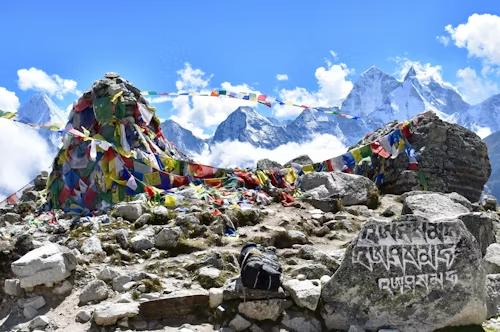
Everest Base Camp trek is one of the most famous and beautiful adventures in the world. Situated in the heart of the Himalayas, the trip is a beautiful one, culturally rewarding, and personally gratifying. To get everything you can out of an Everest Base Camp trek, thinking out every detail, getting the necessary gear, and getting your mind and body in the right place is necessary. Whether you’re an experienced trekker or a novice explorer, a well-planned and tailored trek makes certain that you go home with indelible memories and a connection with the granddaddy of the world’s highest mountain!
The beginning of a successful Everest Base Camp trek is picking the best time to go. The best time to travel is spring (March to May) and autumn (September to November). It is during these months that there is reliability of good weather, excellent visibility, and the tracks are in good condition. Hiking in the high tourist season not only has the best views of Mount Everest and other busiest peaks, but also has the best chances for safe and fun hiking. Good acclimatization is important, and trekkers often will be faced with altitude sickness. Having enough rest days on your itinerary enables your body to acclimatize to the altitude, greatly reducing your chances of making it to base camp successfully!
And readiness is more than just conditioning. Though it is important to work on stamina through cardio and strength training, mental preparation is just as necessary. The trail can be challenging because of the long days of walking or haphazard weather. Keep a positive attitude and pace yourself, and drink plenty of water. It also helps to have good quality gear, which feels fantastic. Waterproof boots, layers of clothing, and a well-packed backpack can reduce the chance of injuries and help keep you warm and dry while on the road. Travelling light with the right essentials, such as a water purifier, snacks, sunblock, and a first aid kit, will keep you secure and healthy.
Trekking with a good trekking company or guide will make things even more pleasant. Experienced guides keep you in good hands as well as share stories about Sherpa culture, geography, and mountaineering history to make your trip more rewarding. Staying in teahouses en route allows you to experience real Nepali hospitality and cuisine. Meeting people, picking up some basic phrases in Nepali, and showing respect for customs all help to enrich your cultural experience and bring meaning to your trip.
Plus, taking photos or keeping a journal about what it is like can help save the memory. But it’s equally important to be there. Occasionally, putting away your phone and allowing the magic of the Himalayas to just soak over you is a peaceful and connecting experience that can never be caught on camera. Finally, responsible tourism that minimizes waste, respects wildlife, and supports local businesses will leave the Everest region as a beautiful place for those who follow.
By being prepared, being mindful throughout the journey, and embracing the good as well as the bad of the Himalayas, you can really make the most of your Everest Base Camp visit. It is something more than a trek, a journey that changes your perception and makes a deep impression on the soul.
Why Is Walking to Everest Base Camp So Much More Than a Trek?
Yes, the Everest Base Camp trek is often perceived as a physical challenge, but it’s so much more than just a high-altitude hike. This is an immersion into the fascinating world of the Sherpas, the energy of the Himalayan monasteries, and airmets with some of the highest peaks in the world itself. It’s a mental, emotional, and cultural journey where you get to reflect and grow as an individual. The trail winds through picturesque villages such as Namche Bazaar and Tengboche, enabling travellers to meet the local people, try real local foods, and view century-old traditions in action. And then you stand at the base of the world’s tallest mountain, a moment both hallowed and awe-inspiring. Every day on the trail is filled with a fresh perspective, whether that’s a sunrise over snow-capped peaks or a shared story with other trekkers. Everest Base Camp is a pilgrimage, rather than a typical trek. It tests your body, yes, but it also opens your mind and uplifts your spirit. This is why, for most, it’s a life-changing Hajj, and not just another hiking spot.
What do you need to know before the EBC Trek in Nepal?
There is nothing worse than planning to hike to Everest Base Camp and then realizing that you are not as prepared as you should be to enjoy the experience. First, there’s the matter of knowing where you stand in terms of fitness. (Some technical climbing is not required, but the trek is physically demanding for its long hours of walking and thin air at high altitudes) You’ll want to be fit and ideally to have done some multi-day hiking before. Second, investigate the best hiking season. Spring and fall are perfect for stable weather and clear mountain views. Third, opt for an escorted group trek, a private guide, or an independent trek. For safety, logistics, and cultural insight, most people will also use a guide or agency. Make sure the company is a good one, that people rave about it, with licensed guides and good reviews. Find out if they manage permits, meals, and accommodations. And you’ll need to purchase travel insurance that covers high-altitude trekking and the possibility of helicopter evacuation. Finally, add at least two acclimatization days in your schedule to prevent altitude sickness. The more prepared you are, the easier and more enjoyable your trip will be. Do not hurry this planning phase — it will set the tone for the whole adventure.
How to Get Ready For This Trek: Fitness and Mentally
Physical and mental preparation is key for use in the Everest Base Camp trek. Begin your training regime at least 8-12 weeks before you are due to leave. If you want to improve your stamina, focus on cardio activities like hiking, running, or biking. Pair that with strength-training workouts that focus on legs, back, and core, which will all come in handy when you encounter uneven terrain and carry a loaded backpack. Altitude is a big factor, so if you can, train with practice hikes at altitude. Mentally, expect long days of walking, basic accommodations, and unreliable weather. This journey is a test of patience and mental toughness just as much as it tests your body. Joho said to permit yourself to be uncomfortable sometimes and learn how to enjoy the process and not just the results. Engaging in mindfulness practicejournalingng, or even meditating can help keep your spirits up. And don’t forget the importance of proper nutrition and staying hydrated. Condition your body to remain fueled and well hydrated, as these are essential for high-altitude performance. Above all, keep in mind why you are on this trek. You’re “why” will get you through the hardest sections of the trail.
What Gear You Need (And What’s Overkill)?
When it comes to packing for the Everest Base Camp Tour, it’s easy to get carried away. But here, the packing is more critical than the amount you take. You’ll want to be prepared for any temperature (the mercury really can drop from 20 to negative 30 in one day): Base layers, fleece, and a waterproof down jacket are must-haves. With comfortable, worn-in shoes, you simply can’t afford not to. Brand-new shoes are also not a good idea; more than a few miles can lead to painful blisters. Spend on a moisture-wicking pair of socks, thermal gloves, a beanie, and UV protective sunglasses. A sleeping bag that is rated to be used in sub-zero temperatures is also a wise choice, even though blankets are offered in teahouses. A daypack that includes a hydration bladder or water bottles is essential to stay hydrated. Headlamps, a power bank, a first-aid kit, and a way to purify water (such as tablets or a SteriPEN) are all musts. Remember sunscreen, lip balm with SPF, and high-energy snacks. Forget electronics and heavy items that you won’t use every day. Pack smart, not heavy — porters can carry up to 10-15 kg, but you will still need to be able to carry your daypack. “Strip down your stuff and your back — and your experience on the trail — will thank you.
What Are Teahouses Actually Like on the Trail?
Teahouses are the main type of accommodation on the Everest Base Camp trail, and they’re also an interesting aspect of the trek. These little family-run lodges have basic rooms — often with twin beds, shared toilet and thin walls — but are a friendly and simple option. Though the level of luxury might vary a shade from village to village, you’ll usually get the basics — mattresses, pillows, and often cold water for anything less than a hot shower, which you will have to pay extra for. Electricity is available in most places at a charge, and Wi-Fi may be available (if it is, it tends to be slow and unreliable). The dining halls are communal and heated by a central stove, and trekkers sit at long tables to eat and socialize, and swap stories. Meals can comprise dal bhat, momos, noodles, pasta, and tea — carbohydrate-loaded foods ideal for fueling long hikes. Tea-houses reveal the typical nature of Sherpa hospitality and lifestyle. They are not plush, but they provide warmth, security, and a sense of community that starts to feel like home. A few words in a local language and showing respect for the hosts will get you miles. It’s a rugged, real experience, and it is moments like this that some of the best memories of the trek are made.
What’s It Really Like Being at Altitude on the Everest Base Camp Trek?
Altitude is one of the things that is most overlooked about the Everest Base Camp trek. Even experienced and otherwise fit trekkers can develop altitude sickness, or AMS (Acute Mountain Sickness). The trail climbs slowly from Lukla at an altitude of 2,800 meters (9,184 feet) to base camp at 5,364 meters (17,598 feet), so the lower pressure is being adjusted to by your body. Common symptoms include headaches, nausea, dizziness, and fatigue. That’s why acclimatization days, typically kept at Namche Bazaar and Dingboche, are crucial to give your body time to adapt. Don’t let the schedule run the days, or BEAR skimp on these key rest days. The best advice is to “climb high, sleep low,” so take short hikes to higher elevations and come back down to sleep. Other things that can help are drinking a lot of fluids, eating regularly, and avoiding alcohol or sleeping pills. You may also talk to your doctor about using Diamox to help prevent altitude sickness. Pay close attention to how your body feels and never dismiss symptoms — heading down is always the correct decision when AMS increases. “High altitude is not something to be afraid of, but it is something to respect.” With the proper preparation and a little awareness, you can stay safe and healthy and enjoy the majesty of the Himalayas at each altitude.
The True Cost of Trekking to Everest Base Camp
It’s not cheap to Everest Base Camp Hike, but depending on how you plan it, it’s cheaper than you might think. The price is different depending on how you like to travel: independently, with a guide in a group, or on a private trek. You can also expect to spend about $1,200 – $3,000. This encompasses permits, domestic flights (particularly the flight to Lukla), lodging, meals, guides, porters, and equipment. Guided group treks are usually the best value, as they take care of everything from logistics to meals to safety. So you can save on costs by going solo, but you also might need to handle permits, navigation, and risk on your own. Budget for any additional costs, such as snacks, hot showers, electronic charging, Wi-Fi, tips for staff, and souvenirs. High-altitude trekking and emergency evacuation travel insurance is a MUST, and you should factor that as another upfront cost to prepare for, along with renting or buying quality trekking gear. Although easier said than done, a reputable company or guide can make the difference between a safe, enjoyable trek and a disaster. The experience is priceless — but when you know what the real cost of Everest Base Camp is, you’re in a better position to be financially prepared for a trip of a lifetime (and not stress about unexpected expenses).
Can You Hike to Everest Base Camp Without a Guide?
Yes, it is perfectly feasible to go to Everest Base Camp without a guide, but not for everyone. In some regions, Nepal has imposed rules requiring a registered guide to accompany trekkers since 2023, but the Everest region has been relatively lenient because of its popularity and facilities. Independent trekking provides you with freedom and is often cheaper, but you’re fully responsible for your navigation, safety, permits, and emergency arrangements. The terrain is well-marked and heavily traveled, so more experienced hikers can hike it solo. But the weather can turn in an instant, altitude sickness can hit out of nowhere, and you’ll be responsible for organizing everything — accommodation, food, and permits such as the Sagarmatha National Park entry and Khumbu Pasang Lhamu Rural Municipality Permit. If you feel comfortable using maps, apps such as Maps. Me or the Gaia GPS hiking app, and navigating the logistics of travel, and it’s a grand adventure. Even so, employing a local guide can provide cultural insights as well as cut down on stress and increase safety. An in-between option is to hire only a porter-guide — a person who carries gear and offers basic advice. Warn the team about the potential risks of what you’re going to do, whether abduction or solo, it’s going to be dangerous, so at least have a plan and some supplies. The mountains favor the brave — but only when they’re wise, too.
How can you get the best EBC pictures?
Taking pictures of your Everest Base Camp Trek Itinerary is more about capturing more than mountain peaks–it’s about telling a story. For a good representation of your trip, concentrate on variety. Wide shots featuring mountain ranges such as Ama Dablam, Lhotse, and, if possible, Everest itself during sunrise or sunset, when light best adds depth and drama, are also on every itinerary’s must-have list. But also be sure to snap shots of life on the trail: fluttering prayer flags, yaks crossing suspension bridges, teahouse interiors, and the faces of other trekkers and locals. You can just rely on your phone or bring a smaller DSLR or mirrorless camera and a good zoom lens, so you don’t overpack. The skies are generally clearest in the morning, so photograph them then. Bring extra batteries and a power bank — cold weather kills batteries quickly. Oh, and don’t forget to back up your images at crucial stops with Wi-Fi in towns like Namche Bazaar. If you have a smartphone, look for apps offering RAW shooting and manual controls. But don’t spend your whole trek behind a lens, he said. And some of the best memories are made when the camera’s off. EBC with photography – your brilliant photographer. Intend to be there, be creative about being there, & let each image be the standing O photo Shoot of you in your awesomeness, trying, and effort in all the steps you just took.
So What Is There to Do After Base Camp, Anyways?
For many trekkers, reaching Everest Base Camp is the high point of the journey, but what occurs next may be just as significant. There isn’t any such thing as “camp” during trekking season unless an expedition overlaps with climbing in the spring. What you will see will be a windswept, stone-strewn space splashed with flags, cairns, and a sense of exultant exhaustion. Many trekkers take photos, stand quietly, contemplate, and enjoy before walking back to Gorak Shep for the night. The journey doesn’t stop at base camp — it gets taken a little bit further with a descent that provides new perspectives and fewer physical exertions. Most trekkers also climb Kala Patthar (5,545m) early the following morning to see sweeping sunrise views of Everest itself, which is not completely visible from base camp. Personally, coming back from EBC is an opportunity to come to terms with the fact that you have now done it. You will probably feel stronger, more rooted, more in touch with nature, and in touch with your authentic self. Feeling post-trek blues is normal; it’s not easy walking away from such an empowering environment. Journaling, recounting your story, or even just beginning to plan your next trek are good ways to harness that energy. The trail may end here at Base Camp, but the transformation it inspires will accompany you long after the end of the road.”
What’s The Most Difficult Day of the Everest Base Camp Trek?
The toughest day on the Everest Base Camp Trek Package is usually the day that you go from Lobuche up to Everest Base Camp and then back down to Gorak Shep, which is frequently also done in one day. Not only is that distance (approximately a 12-13 km round trip) enough, but the altitude that you will reach (above 17,598 feet or 5,364 meters) will be up there. Buried at this altitude, the air has about 50% of the oxygen you are used to feeling, and every step requires a supreme effort. The trail is rocky, rough, and covered in glacial till, making it tough going.
Compounding matters is the fact that this day follows nearly a week of hiking; your body is already weary. Many trekkers, too, will suffer from some mild altitude sickness symptoms: headaches, nausea, shortness of breath, anything to slows you down.
And it’s colder, and the weather can turn quickly. Despite the unplanned nastiness, the emotional rush at base camp cannot be beat. The keys are proper acclimation, hydration, and pacing. But as tough as it is, it’s also a downright enjoyable day, and one that you’ll remember forever: arriving at the foot of the world’s highest peak is an experience you’ll never forget.
How Do You Get in Shape for Everest Base Camp?
There is no secret sauce to getting fit for EBC Trekking; it’s a good blend of cardiovascular, leg, core, and mental training! Start your training 12–8 weeks before your departure date. Begin with cardio workouts such as hiking, running, stair climbing, or cycling at least 3–4 times per week. Work up to simulating the long trekking days you can expect throughout your trek.
Hiking with a backpack (5–7 kg) on uneven terrain is excellent training. If you can, add elevation to simulate the trail’s climbs and descents. Strength is also critically important. Emphasize squats, lunges, planks, and step-ups to help develop lower body and core strength, which in turn will help better support the tandem gait and diminish fatigue.
Flexibility and joint mobility can cut down on the risk of injury, so make sure you schedule yoga or stretching into your plan. Don’t forget to practice training in your real gear — especially your boots — to head off blisters and improve comfort.
Finally, build up your mental toughness. Because not only is the trek physically grueling, it’s mentally challenging. Expect the discomfort, long hours, and altitude. Discover how to grind through it and keep a good attitude . The fitter and better prepared you are, the more you will enjoy this life-changing adventure.
How Do I Prepare for Everest Base Camp Altitude?
Acclimatization is key to the Everest Base Camp trek, as altitude is the biggest challenge. The trek soars more than 5,000 meters, where oxygen levels plummet. The secret to acclimatizing to high altitude is toning down the pace of your ascent so your body has time to adjust.
Schedule at least two acclimatization days into your itinerary, such as in Namche Bazaar (3,440 metres) and Dingboche (4,410 metres). The rest days generally involve short hikes to higher elevations to aid in acclimatisation. Follow the golden rule: “Climb high, sleep low.”
You need to quench your thirst—consume 3–4 liters of water a day. Do not consume alcohol, smoke , or take sleeping pills, as they can exacerbate altitude symptoms. Eat well to keep your energy up, and opt for carb-heavy meals that are more easily digestible at altitude.
You may want to try taking Diamox (acetazolamide), a drug that you need a prescription for, which can help with Acute Mountain Sickness (AMS). And always check with your doctor before you take any altitude-related medication.
Before the trek, train your body with cardio exercises and hikes at elevation when available. Be aware of the symptoms of AMS — headache, dizziness, nausea — and never power through a lot of discomfort. If symptoms increase, descend at once. Sound altitude acclimatization gets you there and gives you an enjoyable trip along the way.
Does the Everest Base Camp Trek Help in Weight Loss?
Yes, most people lose weight on the Mount Everest Base Camp Tour – some even without meaning to! That’s because of the high calorie expenditure, reduced appetite at altitude, and continued physical activity for several days. On average, trekkers burn 3,000 to 5,000 calories daily at a minimum, depending on pace, load, and altitude.
When you’re at high altitudes, in other words, your body has to work harder to do basic things like walk or breathe. And digestive efficiency goes down at altitude, many people report a decrease in appetite or mild nausea, which can result in eating less than usual.
Despite receiving regular meals served in teahouses, heavy on carbs like rice, noodles, potatoes, and lentils, caloric consumption often doesn’t meet the amount of energy expended for the day. Also, there aren’t processed or high-fat snacks, which many people eat in abundance at home.
The amount of weight loss during the trek is usually about 2–5 kg (4–11 lbs), depending on the trekker, though. This is a bonus for some people, but it’s also important to keep your body fuelled and energised regularly, so that you don’t feel tired. Pack snacks such as nuts, protein bars, and electrolytes to keep you going between meals. Losing weight should be a byproduct of adventure, not an end in itself.